Tactical Workflows for Securing Elite Editorial Backlinks
DR is an Ahrefs metric. It associates with rankings because backlinks influence both, however Google uses its own algorithms, not Ahrefs' DR. DR (Ahrefs) measures backlink strength; DA (Moz) anticipates ranking potential using a wider blend of signals. They utilize various information and algorithms, so the same site normally has different DR and DA.
Yes. UR assesses one URL and DR examines the domain. A page with uncommonly strong direct links can have a greater UR than its domain's DR because the metrics use different scopes and relative calculations. DR is relative. Connecting domains can alter, source domains can include outgoing links, Ahrefs can find or eliminate data, and the service provider can recalculate the chart.
Will Relationship-Driven Outreach Protect Future SEO Strategy?
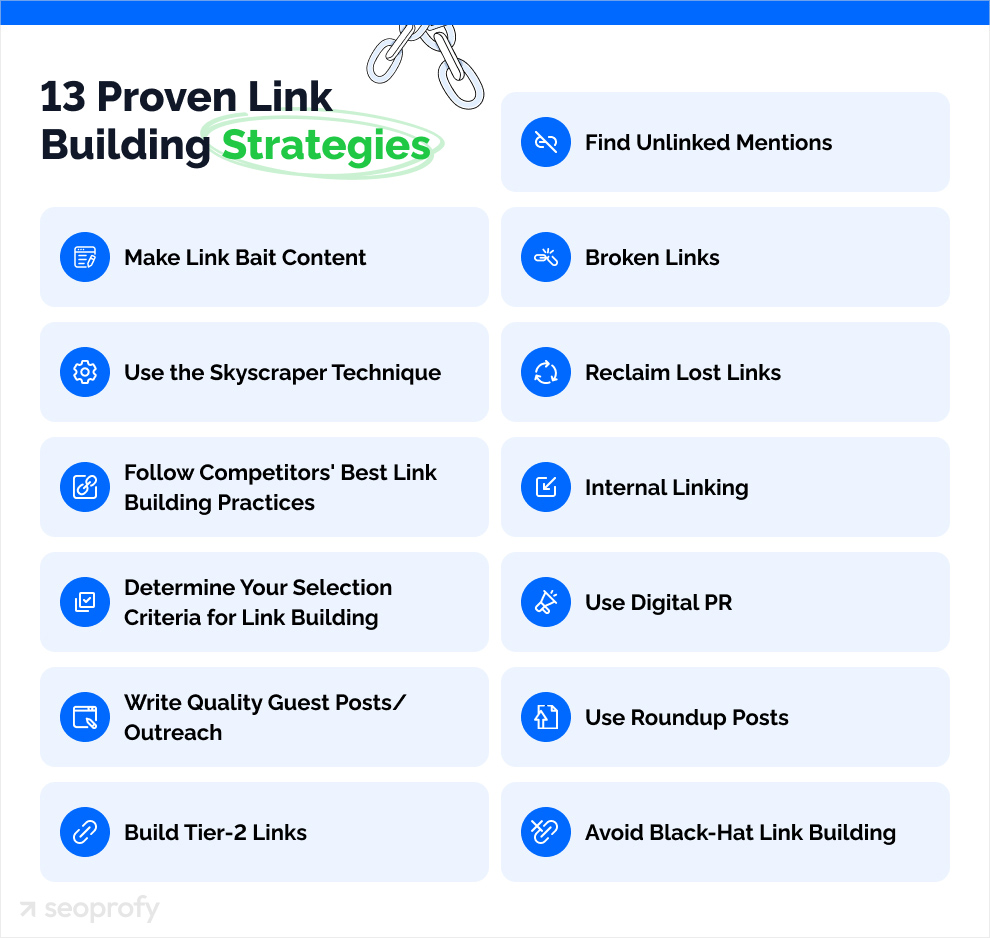
Make appropriate editorial links from extra domains and create resources worth pointing out.
How Relationship-Based Backlinks Still Dominate for 2026
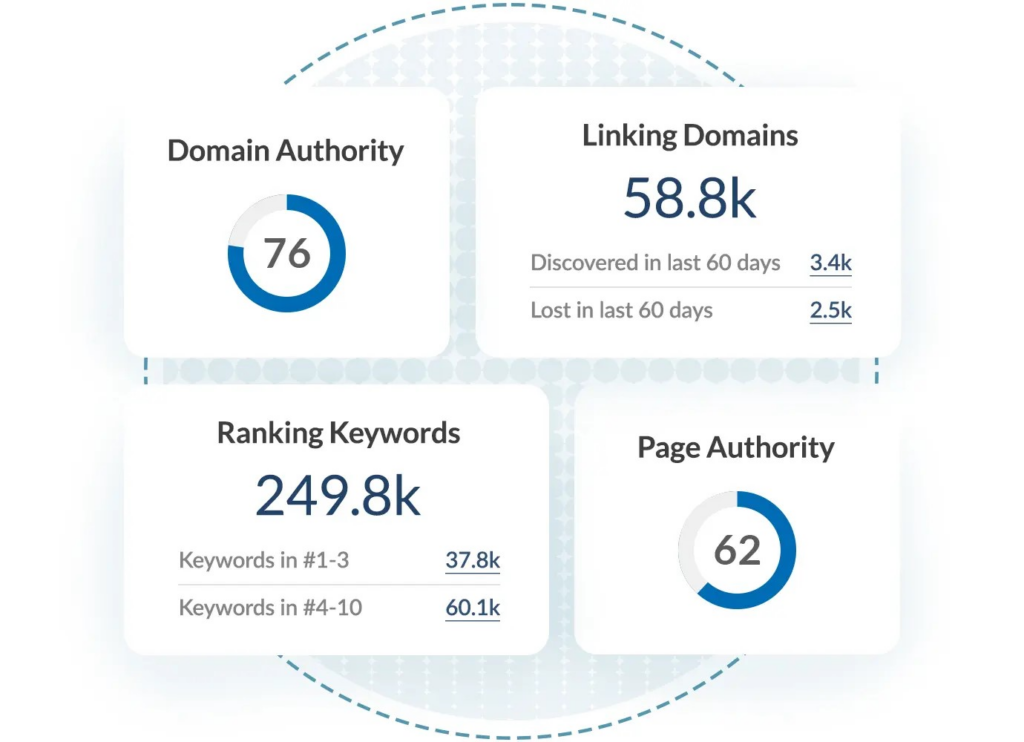
Domain Ranking (DR) is a metric established by Ahrefs that determines the relative strength of a website's backlink profile on a scale from 0 to 100. The higher the number, the stronger the backlink profile. A DR of 90 (believe Wikipedia or The New York City Times) signals a website with a huge, high-quality link profile.
DR is measured on a logarithmic scale. Moving from DR 20 to DR 30 is far simpler than moving from DR 70 to DR 80.
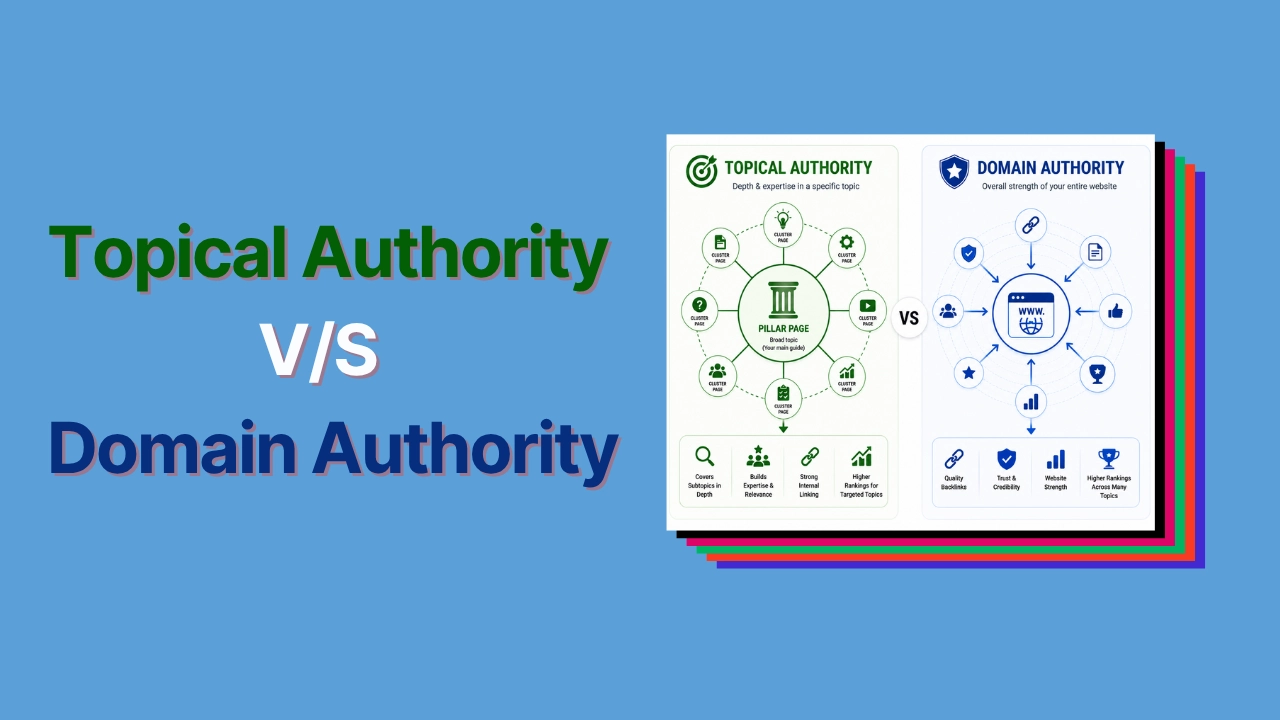
DR isn't the only website-level authority metric. A number of SEO tools have their own variations: Metric Tool Scale What It Measures Domain Score (DR) Ahrefs 0100 Strength of a site's backlink profile (link amount and quality in between domains) Domain Authority (DA) Moz 1100 Possibility of ranking in search, based upon link profile and other factors Authority Rating (AS) Semrush 0100 Composite of link power, organic traffic, and spam signals Trust Flow (TF) Majestic 0100 Quality of backlinks based upon distance from trusted seed websites These metrics are all third-party estimates.
Google verified years ago that it does not use a single "domain authority" rating internally, even though its initial PageRank patentwhich evaluated pages, not domainsis the conceptual ancestor of all these metrics. Still, they each capture something real. A site with DR 85 probably has a massive, top quality link profile.

How to Boost Site Authority for 2026
The essential difference in between these tools is approach. Ahrefs' DR focuses solely on backlink data. Moz's DA integrates maker learning predictions. Semrush blends relate to traffic information. You'll sometimes see the same website score 75 in one tool and 55 in another, which is why comparing DR to DA directly is worthless.
Here is the simplified version of what takes place: Step 1: Ahrefs determines every domain that has at least one dofollow link pointing to the target site.
Action 3: Each linking domain passes a share of its own DR to the target site. The quantity is roughly proportional to the linking domain's DR divided by how many other domains it connects to.
Tactical Workflows for Earning Authoritative Contextual Backlinks
This explains a few useful peculiarities: Nofollow links do not count. If a website links to you just with rel="nofollow" tags, it will not increase your DR. Only the very first link matters. If TechCrunch links to you from 50 various posts, your DR only gains from the very first one. The other 49 are redundant for DR functions (though they may still pass PageRank value at the page level).
If your linking domain starts connecting to hundreds of brand-new websites, the "DR juice" it passes to each oneincluding youshrinks over time. DR can drop even if you do not lose links.
If a domain that connects to you obtains more backlinks and grows its own DR, it passes more worth to you. This is simply as important as what it determines: Browse traffic. A website might get countless visitors and still have a low DR if it does not have numerous backlinks.